
Aging brings many changes, and among them is the increased vulnerability of our teeth and gums. With shifting nutritional needs and common health challenges, oral health often takes a backseat—yet it remains essential to daily comfort, confidence, and overall well-being. The foods we eat influence everything from tooth strength to gum resilience. Understanding the right dietary choices can offer powerful support for maintaining dental health later in life. In addition to proper meals, a guide to helping elderly loved ones with hygiene offers valuable insight into routines that preserve dignity and promote comfort for older adults.
Below, we’ll explore essential dietary tips that can help protect smiles as the years go by.
Choose Calcium-Packed Foods for Structural Support
 Calcium is vital for strong teeth and jawbones. Without sufficient intake, bones weaken and teeth may loosen. Seniors should regularly include foods like milk, yogurt, and cheese in their meals. For those avoiding dairy, options like collard greens, fortified plant-based milk, and canned sardines with soft bones provide calcium in beneficial amounts. Adding these items helps reinforce the foundation that supports oral structure, offering lasting benefits well beyond the mouth.
Get Ample Vitamin D to Aid Calcium Absorption
While calcium is crucial, it’s less helpful without vitamin D. This nutrient assists the body in processing calcium, directly impacting tooth and bone integrity. Seniors can increase their vitamin D through natural sunlight, fortified cereals, and fatty fish like tuna and salmon. Egg yolks also contribute to daily intake. Vitamin D deficiencies are common and can contribute to gum problems, so a balanced diet with these sources is particularly important.
Eat Crunchy Produce to Stimulate Saliva and Clean Teeth
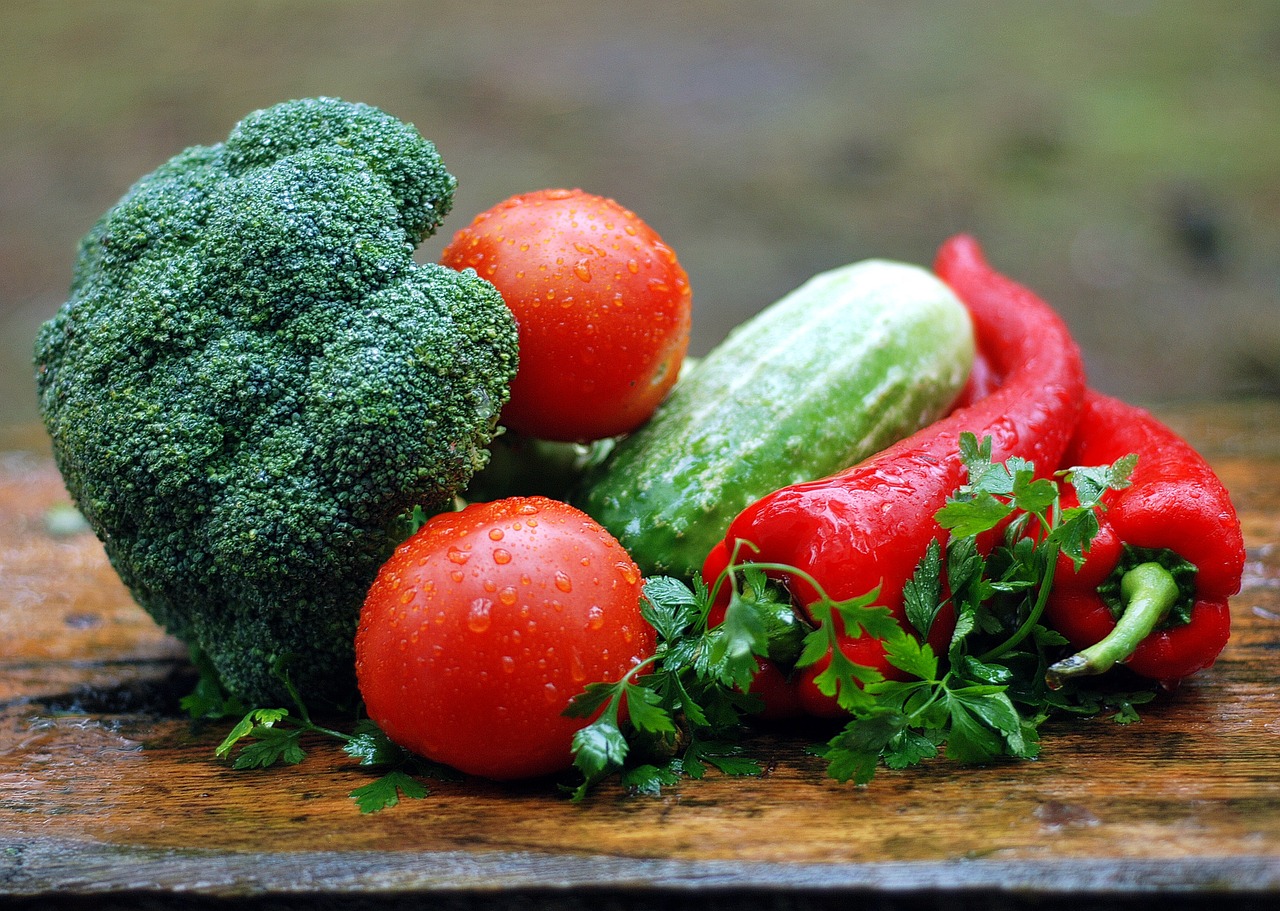
Raw vegetables and fruits, such as carrots, apples, and celery, serve a dual purpose: they deliver vitamins and act as natural cleansers for teeth. Their texture promotes saliva production, which helps neutralize acids and rinse away food debris. Fiber-rich produce also encourages healthy digestion and reduces inflammation, which may influence gum health. Making room for these items in daily meals supports oral hygiene without extra effort.
Cut Back on Sugary and Acidic Foods
Sugary snacks and acidic beverages weaken enamel and create an environment where harmful bacteria thrive. Soft drinks, candies, and pastries—though tempting—should be consumed sparingly. Even fruit juices can have damaging acidity levels. Replacing these with whole fruits, unsweetened teas, or plain water can make a substantial difference in maintaining healthy teeth. Following sweet or acidic meals with water helps reduce potential harm.
Drink More Water to Prevent Dry Mouth
Dry mouth affects many older adults due to medication side effects or reduced hydration habits. Without adequate saliva, bacteria flourish and cause bad breath, tooth decay, and discomfort. Drinking water frequently throughout the day is a simple but highly effective solution. Adding water-rich foods like cucumbers, watermelon, and clear soups also boosts hydration. Herbal teas can be a pleasant alternative, provided they are not overly acidic or sweetened.
Conclusion
 Supporting oral health through dietary choices is more important than ever for older adults. Strong teeth and healthy gums contribute to easier eating, better nutrition, and a brighter outlook on life. Focusing on calcium-rich foods, boosting vitamin D, incorporating crunchy produce, limiting sugar, and staying hydrated are all practical steps that can be integrated into daily living. Oral hygiene isn’t only about brushing—it’s also about what’s on the plate.
